

























Kitchen safety shoes: non-slip and comfortable
Summary :
Safety shoes in the kitchen
Working in a kitchen can be extremely demanding, not only in terms of culinary skills but also in terms of physical fitness. Chefs and kitchen staff spend long hours on their feet, often in wet and slippery environments. Therefore, it is crucial to wear appropriate safety footwear that not only ensures safety but also provides optimal comfort. In this article, we will explore the essential elements to consider when choosing safety footwear for the kitchen , focusing on safety standards, comfort, and durability.
The Importance of Safety Standards in the Kitchen
Safety standards in the kitchen are essential to prevent accidents and ensure a safe working environment. Safety footwear must meet specific criteria, including grip, protection against falling heavy objects, and resistance to chemicals and water.
Standards to be checked
– EN ISO 20345 : This European standard specifies the basic and additional (optional) requirements for safety footwear for occupational use. Footwear conforming to this standard offers optimal protection against various risks.
- SRA, SRB, SRC : These classifications refer to slip resistance tests. SRA shoes are tested on ceramic surfaces covered with water and detergent, SRB shoes on steel with glycerin, and SRC shoes combine both tests.
General standards
EN ISO 20345 This European standard specifies the basic and additional (optional) requirements for safety footwear for occupational use. Footwear conforming to this standard offers optimal protection against various risks, including falling heavy objects, punctures, and contact with chemicals. The main characteristics required by this standard include:
- A minimum resistance of the sole to perforation.
- A safety tip resistant to an impact of 200 joules.
- Resistance to hydrocarbons.
Anti-slip tests
The SRA, SRB, and SRC classifications indicate the performance of shoes in terms of grip on different surfaces:
SRA: Tested on ceramic surfaces covered with water and detergent. They must reach a certain level of friction to be certified.
SRB: Tested on steel surfaces with glycerin. As with SRA, they must achieve a certain level of friction.
SRC: Combination of SRA and SRB tests, guaranteeing maximum anti-slip performance on both types of surfaces.
Protection classes (S1, S2, S3)
The S1, S2 and S3 classifications define the level of protection and additional features of safety footwear:
S1:
- Protective toecap resistant to an impact of 200 joules.
- Energy absorption at the heel.
- Antistatic properties.
- Resistance to hydrocarbons.
- Closed heel.
S2: Includes all the features of S1, plus:
- Resistance to water penetration and absorption.
S3: Includes all the features of S2, plus:
- Puncture-resistant sole.
- Outsole with cleats for better grip on rough terrain.
The characteristics of ideal safety shoes for the kitchen
1. Non-slip : The most critical feature for kitchen shoes is undoubtedly the non-slip sole. It must offer excellent grip on wet or greasy surfaces to prevent slips and falls.
2. Water and chemical resistant : Shoes should be made from water-resistant materials to protect feet from spilled liquids and chemicals commonly used in cooking.
3. Comfortable : Comfort is essential for long hours on your feet. Shoes with good cushioning, an ergonomic insole, and adequate support will reduce fatigue and pain.
4. Durable : Shoes need to be sturdy enough to withstand daily wear and tear. High-quality materials extend the lifespan of the shoes.
Focus on comfortable and durable safety shoes
Whether you're looking for slip-resistant, grease-resistant, or superior comfort footwear, we have the perfect product for you. Explore our popular styles and experience unparalleled protection and comfort.
1. Inexpensive white kitchen shoes by TecSafety €29.00
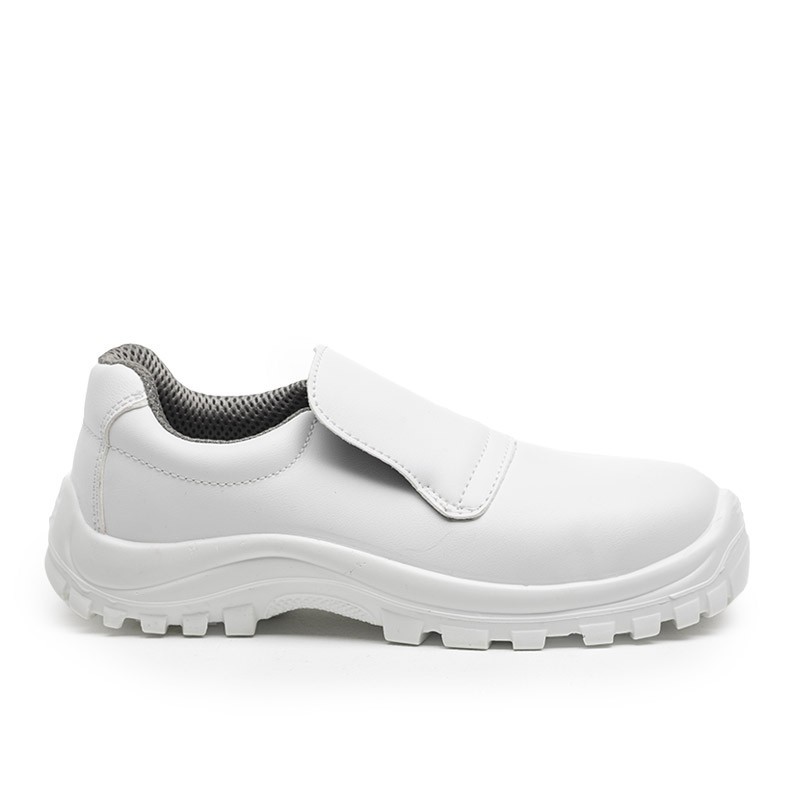
- Comfort : Designed with a cushioning midsole and a memory foam insole, these shoes offer excellent comfort.
- Safety : Equipped with a patented anti-slip sole, they guarantee maximum grip on slippery surfaces.
2. Tony Noir S2 Nordways kitchen safety shoe €35.34
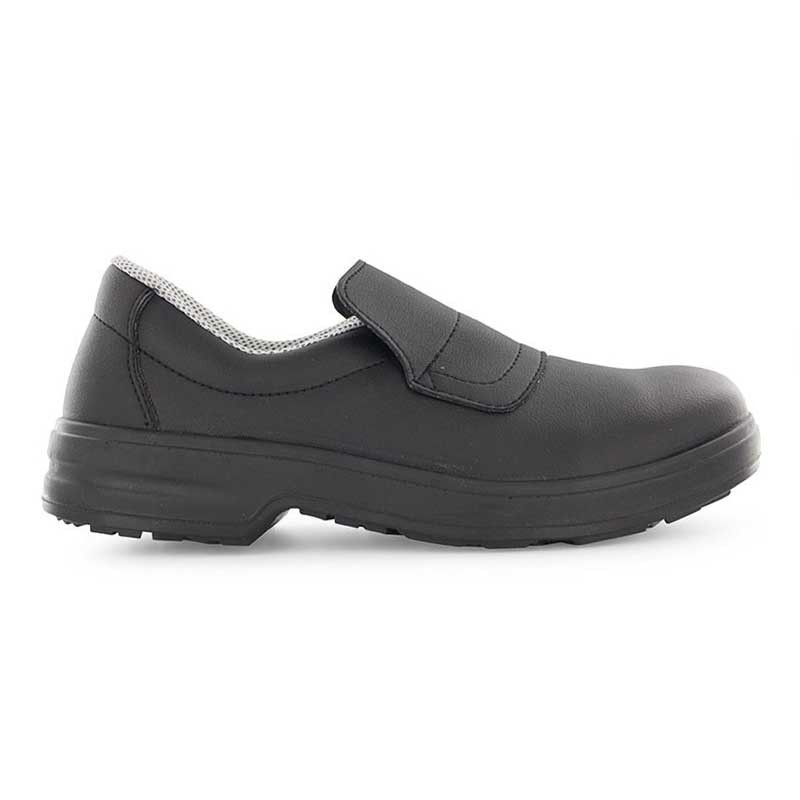
- Comfort : The cork and latex footbed, combined with a polyurethane stem, ensures comfort throughout the day.
- Safety : These shoes are oil and grease resistant, and their non-slip outsole provides excellent stability.
3. Upower black kitchen clog €53.90
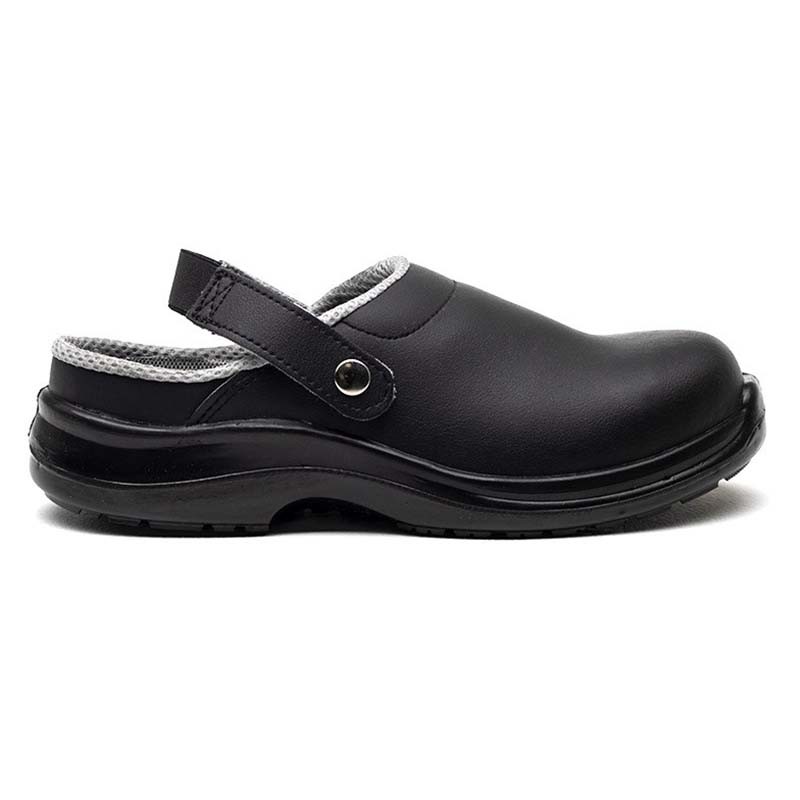
- Comfort : With a lightweight design and a polyurethane sole, these shoes minimize foot fatigue.
- Safety : They are SRC certified for their adhesion and are resistant to punctures and chemicals.
Don't hesitate to explore our entire range of kitchen safety shoes; find the biggest brands in the world of cooking at Manelli.fr !
The materials of safety shoes
Materials play a crucial role in the comfort and safety of kitchen shoes . Here are some commonly used materials and their advantages:
– Leather : Durable and breathable, leather is often used for the uppers of safety shoes. It offers good protection against impacts and liquid spills.
– Polyurethane (PU) : Used for soles, this material is lightweight, flexible and resistant to oils and greases.
- Nitrile rubber : Excellent for anti-slip soles, this material offers superior grip on slippery surfaces.
Maintenance and durability of safety shoes
To maximize the lifespan of your safety shoes, regular maintenance is essential. Here are a few tips:
- Clean your shoes regularly to remove dirt and food residue. Use lukewarm water and a mild detergent. Gently scrub with a soft brush to avoid damaging the materials.
- Dry your shoes thoroughly after cleaning them, avoiding direct heat sources such as radiators, which can damage the materials. Let them air dry in a well-ventilated area.
- Apply a water-repellent treatment if your shoes are frequently exposed to water or humid environments. This will help prevent water penetration and maintain the breathability of the materials.
- Store shoes properly when not in use. Keep them in a dry place away from direct sunlight to prevent damage to the materials.
Choosing the right ones Safety footwear for the kitchen is essential to ensure the safety and comfort of kitchen professionals. By adhering to safety standards, choosing slip-resistant, comfortable, and durable models , and using quality materials, you can guarantee a safe and pleasant working environment. Remember that regular shoe maintenance extends their lifespan and maintains their effectiveness. Make the right choice for your feet and your safety!
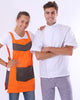
For optimal protection in the kitchen, choosing the right professional attire is essential. Whether it's a chef's jacket , chef's trousers , or a chef's apron , each piece will offer you perfect comfort and safety so you can work with complete peace of mind. Don't forget to complete your outfit with quality safety shoes , essential for preventing accidents in the kitchen and ensuring optimal protection throughout your workday.


Leave a comment