


















What type of shoes are allowed in a professional kitchen?
Summary :
In a professional kitchen , safety and hygiene aren't just about work clothes. Kitchen shoes play a vital role in protecting staff and ensuring good working conditions. Indeed, given slippery floors, falling heavy objects, and long hours spent standing, choosing good kitchen shoes isn't optional, it's essential.
So, what type of shoes are actually allowed and recommended in the kitchen? Let's explore the rules, risks, and models suitable for professionals.
What does the regulation say about footwear in a professional kitchen?
In France, the requirements concerning professional kitchen footwear are based on two pillars:
- The Labour Code (articles L.4121-1 et seq.) requires the employer to ensure the safety of its employees.
- European standards relating to Personal Protective Equipment (PPE), in particular for safety footwear (EN ISO 20345 and EN ISO 20347).
In practical terms, this means that each employer must provide or require shoes suitable for the risks identified in the kitchen: wet floors, oils, heavy objects, knives, etc.
Therefore, a simple pair of dress sneakers is not considered compliant.
Do the shoes need to be non-slip, closed, or steel-toed?
The answer is clear: yes . Shoes permitted in the kitchen must meet several criteria:
- Closed footwear : sandals, flip-flops or open shoes are strictly prohibited. They expose the feet to burns, cuts or falling objects.
- Slip-resistant : the sole must offer excellent grip, especially on the greasy and wet floors of professional kitchens. The SRC standards (slip resistance on ceramic and metallic floors) are the most demanding.
- Steel-toed or reinforced : if there is a significant risk of heavy objects falling (pots, pans, knives, utensils), the use of steel-toed safety shoes is recommended. In some establishments, they are mandatory.
- Liquid resistant : splashes of water, grease or cleaning products should not damage the shoe.
In other words, kitchen safety shoes must provide effective protection against the main hazards while remaining comfortable.
What are the risks associated with wearing unsuitable shoes?
Wearing inappropriate footwear in the kitchen can have serious consequences:
- First, an increased risk of falls and slips on wet or greasy surfaces.
- Next, exposure to burns from splashes of hot liquids.
- Also, cuts or crushing injuries related to falling heavy utensils.
- Furthermore, pain and musculoskeletal disorders due to poor cushioning.
- Finally, there is a risk of sanctions for non-compliance during a hygiene or safety inspection.
In short , unsuitable footwear endangers both the employee's health and the employer's liability.
What shoe styles are permitted and recommended?
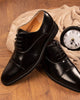
In professional kitchens, several types of kitchen shoes are permitted, provided they comply with PPE standards:
- Closed kitchen clogs : very common, they offer comfort and hygiene. Some models have a safety toecap and SRC soles.
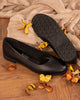
- Low-cut kitchen shoes : resembling safety sneakers, they combine style and protection, ideal for modern cooks.
- High-top shoes : recommended for environments where the risks of splashes and impacts are high.
- Washable microfiber shoes : easy to care for, they guarantee impeccable hygiene.
- Breathable models : designed to limit perspiration, with micro-perforated materials or special linings.
The choice of model therefore depends on the position held, the type of kitchen and comfort preferences.
Top 5 criteria for choosing the right safety shoes for the kitchen
To select the right safety shoes for the kitchen , here are the 5 essential criteria to consider:
1. The safety standard
Make sure that your shoes comply with the EN ISO 20345 standard (safety shoes with toecap) or EN ISO 20347 (professional shoes without toecap but with anti-slip standard) .
2. Comfort
Shoes worn for more than 40 hours a week should offer good cushioning, an ergonomic sole, and minimize fatigue. Comfort is just as important as safety.
3. Breathability
Kitchens are hot. Choosing breathable materials prevents excessive sweating and unpleasant odors.
4. The interview
Professional kitchen shoes should be easy to clean. Microfiber or treated leather models are the most suitable.
5. Style and practicality
Today, there are modern, sneaker-inspired models that combine style, safety, and comfort. A good compromise to appeal to younger generations of cooks.
In a professional kitchen , wearing safety shoes is essential. Regulations require closed, non-slip models and, in some cases, steel-toed boots.
The risks associated with unsuitable footwear are too significant to be ignored: slips, burns, cuts, or penalties during an inspection.
The ideal choice is professional kitchen footwear that combines protection, comfort, and easy maintenance. From clogs and safety sneakers to high-top models, there is now a wide range available to suit all needs.
In short: prevention is better than cure . Investing in good shoes guarantees safety, hygiene, and well-being at work.


Leave a comment