


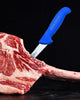

































With their exceptionally high-quality, fine blades, Déglon knives, Global Japanese knives, and Arcos knives will delight you with their ideal sharpness for slicing fruits and vegetables. Their exceptional design offers perfect balance in the hand. These knives will allow you to perform precision work. World-renowned brands with a proven track record. Also discover our kitchen knife sets !
What is a paring knife and what is it used for in the kitchen?
The paring knife is one of the most versatile tools in the cutlery repertoire. It's a small knife, generally with a 7 to 10 cm blade, that lends itself to a multitude of kitchen tasks. Its compact size and tapered tip make it the ideal tool for peeling, chopping, slicing, or precisely dicing fruits and vegetables. Unlike larger knives such as a chef's knife, the paring knife offers optimal control for delicate work. In professional kitchens, it's part of every cook's basic equipment, but it also finds its place in the homes of food enthusiasts. The professional paring knife is distinguished by its robustness and long-lasting edge, while high-end models impress with their perfect balance and meticulous finish.
What are the different types of paring knives?
There are several variations of paring knives depending on their intended use. The classic, straight model is the most common and suitable for most fine cuts. The bird's beak paring knife, with its curved blade, is specifically designed for turning vegetables or making rounded cuts. Some professional paring knives resemble a peeler and are optimized for quickly removing the skin from fruits and vegetables. High-end versions may feature blades forged from specific steels or boast ergonomic designs for enhanced comfort. Each type of paring knife thus meets a particular need, whether it be precision, speed, or versatility.
How to choose the right paring knife?
Choosing a paring knife depends primarily on how you intend to use it. If you cook regularly, opt for a professional-grade paring knife that can withstand heavy use. For discerning home cooks, a high-end paring knife will be a lasting investment, offering an impeccable edge and optimal cutting comfort. Several criteria should be considered: the type of blade (straight or curved), the quality of the steel, the ergonomics of the handle, and the weight of the knife. A good paring knife should be light enough to remain easy to handle, while still offering a strong and durable blade.
What blade length best suits your needs for precision or versatility?
The blade length directly influences efficiency and ease of use. Paring knives generally have a blade between 7 and 10 cm. A short blade, around 7 cm, offers maximum precision for delicate tasks such as mincing garlic or peeling small fruits. A longer blade, up to 10 cm, provides greater versatility and allows you to work with larger foods. Professional paring knives are often available in several sizes to meet the diverse needs of cooks, whether amateur or expert.
Which blade material offers the best compromise between sharpness and maintenance?
The blade material is crucial for a knife's performance and durability. Stainless steel is the most common: it resists corrosion well and is easy to maintain. High-end paring knives often use carbon-enriched steels, which ensure a longer-lasting edge but require careful maintenance. Japanese knives can offer extremely hard steels, guaranteeing exceptional cutting performance, but demanding expert sharpening. Finally, ceramic blades are appealing for their lightness and wear resistance, but they are more fragile and susceptible to damage from impacts. The ideal paring knife should therefore combine cutting performance, durability, and ease of maintenance.
Which handle guarantees comfort and safety during prolonged use?
The handle is a key factor when choosing a suitable paring knife. In professional kitchens, where knives are used for several hours a day, ergonomics play a crucial role. A non-slip handle, even in wet conditions, reduces the risk of accidents. Professional paring knives often feature handles made of polymer or antibacterial composite materials, compliant with HACCP standards. High-end models, on the other hand, favor fine woods or technical materials offering exceptional comfort and perfect balance between the blade and the handle. Safety and maneuverability should remain priorities, regardless of the price range.
How to properly maintain a paring knife to ensure a longer lifespan?
Rigorous maintenance is essential to preserve the performance of a paring knife. It is advisable to wash your knife immediately after use with warm water and a mild detergent, then dry it thoroughly. Avoid using a dishwasher, as it can damage the blade's edge and the handle. Regular sharpening, using a honing steel or a suitable whetstone, is also crucial for maintaining a perfect edge. High-end paring knives deserve careful sharpening to reach their full potential. Finally, it is recommended to store your knives in a case, block, or on a magnetic strip to protect the blade and ensure optimal safety.
Which paring knife model best suits your needs or budget?
The choice of knife will depend on your experience, needs, and budget. An amateur cook might opt for a classic stainless steel paring knife, which is affordable and easy to maintain. A professional will likely prefer a professional paring knife, designed to withstand heavy use while ensuring comfort and performance. Finally, culinary enthusiasts and chefs will demand a high-end paring knife, often hand-forged, made with premium materials and boasting an impeccable finish. Whether you're a home cook or a professional, there's a paring knife to suit your needs, combining precision, efficiency, and durability.
Lire la suite
74 products


